 (302) 477-7497
Delaware Textile Mill Spins Opportunity from Crisis
Delaware Textile Mill Spins Opportunity from Crisis
May 21, 2020 –
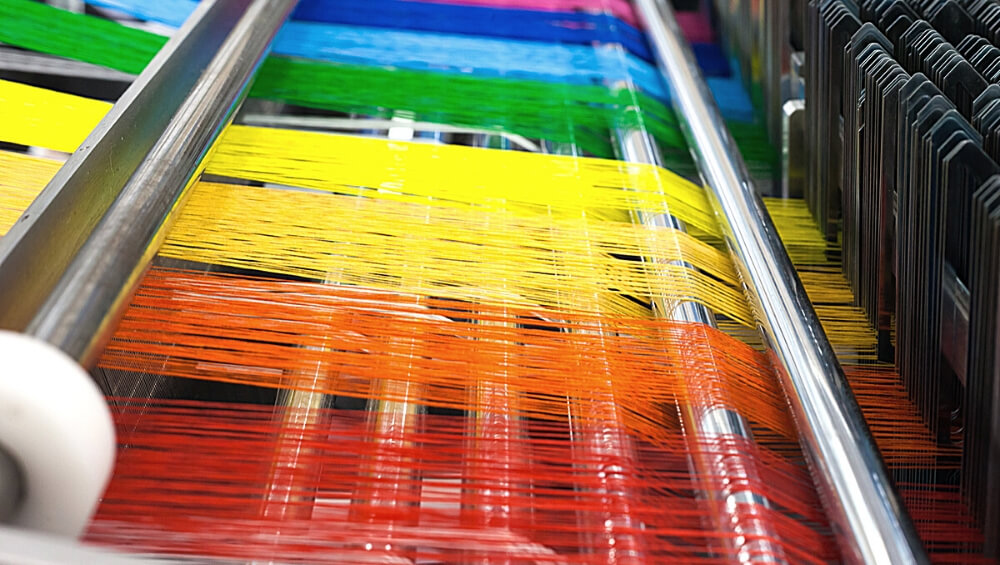
When businesses across the country started shuttering in response to COVID-19, Nick Griseto was worried. As president of James Thompson & Company Inc. – a Delaware textile mill in Greenwood – Griseto has almost 45 employees working at their 125,000 square-foot facility.
“That’s one of our worst fears,” he said. “Having that many people making their livelihood with your company – you really don’t want to lay anyone off. Having a decent job, especially at a time like this is huge in peoples’ lives. It makes all the difference. Getting laid off is a terrible emotional drain for the employee and their family. I didn’t want to put anyone through that.”
Delaware Textile Mill an “Essential” Business at the Start
Although deemed an “essential” business at the start, most of the mill’s suppliers shut down, so Griseto had to close for two weeks. However, after some strategy conversations with Sussex County’s Economic Development Director William Pfaff and some industrial pivoting, Griseto hit on the idea of distributing fabrics to mask manufacturers. This has become an especially crucial sector locally and nationwide as many Governors have mandated their use to help contain the spread of the virus.
“Within 24 hours of looking into it, we were getting feedback from local hospitals and manufacturers concerning what they needed and how to get it to them,” said Griseto. “We donated much of what we had on hand – but since then, we’ve found a few new suppliers that have remained open and we’re getting more product in. We’ve ramped back up and we expect to be back in full production by the middle of May.”
For groups and nonprofits making masks for first responders, James Thompson & Co. is still donating materials. But, Griseto is proud to be a part of the supply chain that is bringing in high-quality materials for manufacturers that are engaged in larger-scale production too.
“Now that we have the right suppliers, we’re getting in great material,” he said. “To be the proper mesh for masks, it needs an antimicrobial agent on it – it’s a sort of chemical finish.”
It took flexibility and ingenuity, by Griseto believes the changes his company has made accomplishes two of his most important goals; being an asset to the community and providing a sustainable workplace for his employees.
“I think this is a drive that most entrepreneurs have: contributing to society,” he said. “In the past we’ve donated fabrics and clothing to schools, but with this, we feel like we’re stepping up in a crisis. It’s important for any manufacturer to be an active part of the community their based in.”
Storied Past, Bright Future
One of the oldest textile mills in the country, it’s a bit of luck that James Thompson & Co. has become a part of the ‘first state’ community. Founded in 1860 by a Scottish immigrant named James Thompson, the mill opened its doors in the thick of the industrial revolution in Valley Falls, New York.
Over the intervening century in a half, they’ve brought myriad fabrics, dyes and finishes to market. In 1972, they moved their mill operation to the 136-acre site in Greenwood where it still resides.
In 2016, the last descendent of James Thompson to run the company, Robert Judell, passed away at the age of 92. The estate had dwindling interest in running the company, explains Griseto, so he was hired to manage or sell it. Seeing great promise in the well-established company, Griseto, and his wife Terry ended up buying it in late 2019.
“Terry and I helped manage it for four years until purchasing it,” he said. “Since then we’ve done a lot of cleaning up and streamlining of the operation, sort of trying to figure out who we are.”
Up until last year, James Thompson & Co. had been maintaining a headquarters on Park Avenue in New York City. Griseto noticed immediately that there were significant cost benefits to consolidating the operation and moving all functions to Delaware. He notes that real estate costs, commuting, logistics and access to a diverse, affordable labor pool all helped make that decision easier.
“The office in New York was only about 2,000 square feet, but between rent, taxes and utilities, we were spending over $300,000 per year,” said Griseto. “That doesn’t include labor costs. Now everything is here in Delaware; the corporate and sales headquarters and all our manufacturing. We’ve also begun to renovate the plant.”
At a time when many businesses are contracting and taking a wait-and-see approach to business, Griseto is bullish with his bet on Delaware. Not only is he confident that his COVID-19 pivot was enough to keep his 45 employees busy, he has expansion plans that could put hundreds more people to work at his facility.
“We have room to expand here and we’re going to add additional buildings – thanks to some planning we’ve done with Sussex County’s public works, waste treatment capacity issues are being resolved so we can keep growing,” he added. “Our goal is to increase manufacturing and reintroduce printing to our facility again. I plan to have disabled vets working here to do the printing on military uniforms. In two or three years, we could have up to 300 to 400 people working here.”
Newsletter Sign Up
Stay Up To Date With Delaware



 Hammond — who has a bachelor’s degree in chemical engineering from the Georgia Institute of Technology plus executive graduate business classes at both Wharton and the University of Richmond — was no stranger to Delaware. He’d spent 13 years with the DuPont Co. in various roles.
 To appreciate AirGreen’s efficiency, it helps to understand how most industrial air conditioners work. To effectively dehumidify the air, these traditional systems drop the temperature to the dew point. Often, they then warm the air back to an acceptable level. The process consumes considerable energy.

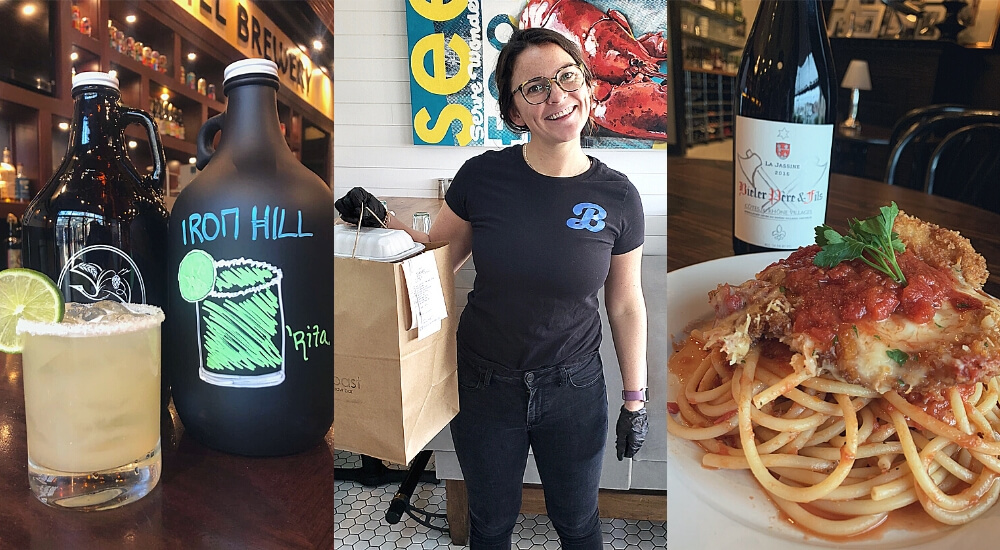
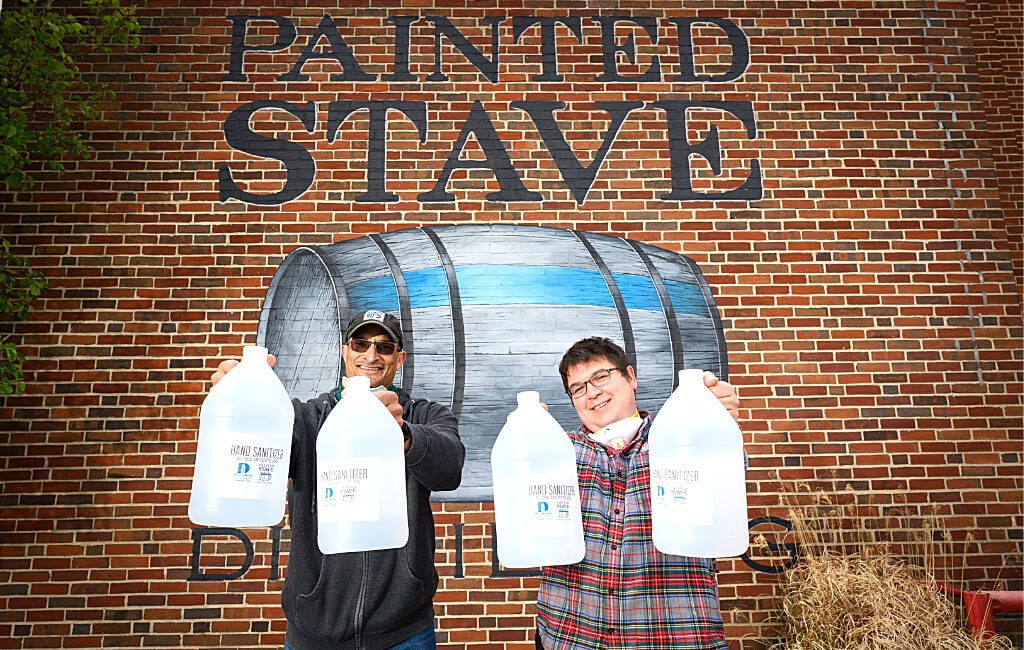
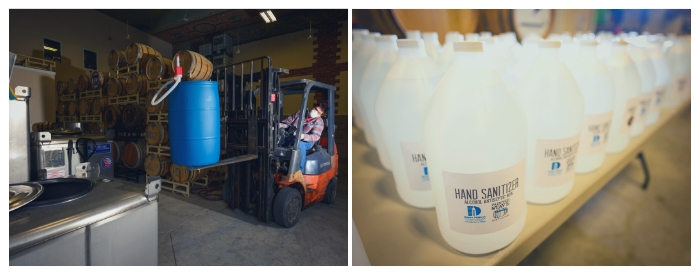
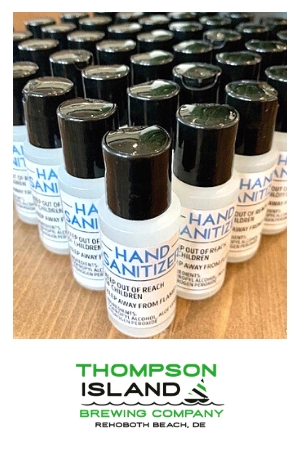 Thompson Island Brewing Company, part of SoDel Concepts, used supplies on hand to make hand sanitizer, which the staff tucked into customer carryout bags. The brewery operation is not idle, however. Thanks to lobbying by the Delaware Restaurant Association, restaurants can sell beer, wine and cocktails, which traditionally make up a large part of their revenue. Many now offer half-priced bottles of wines. Iron Hill Brewery & Restaurant, which has three Delaware locations, began selling growlers of pre-batched Margaritas, along with growlers of beer.





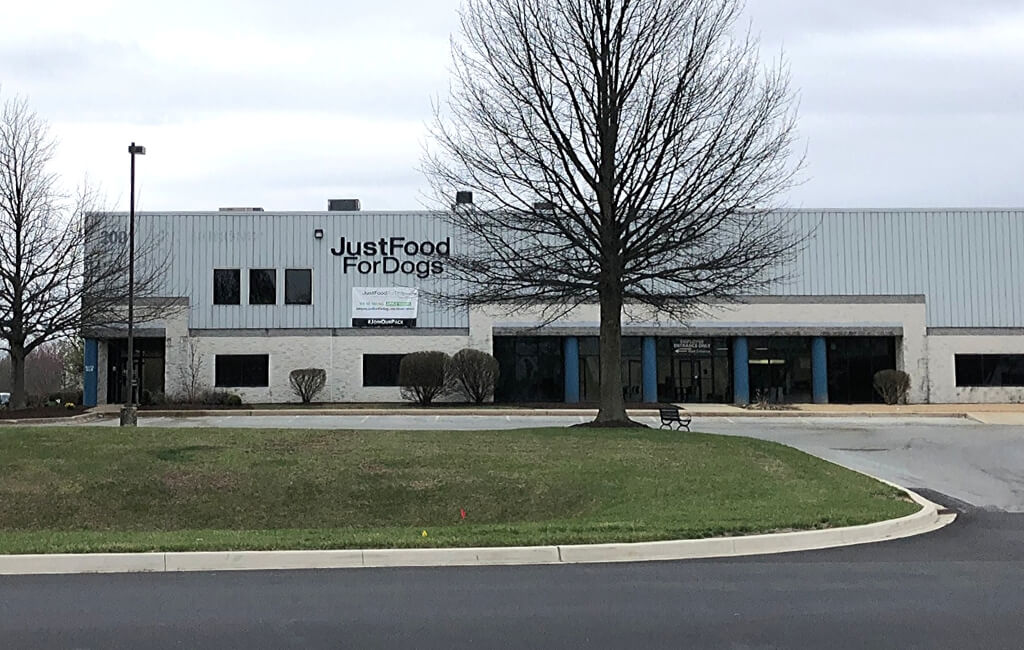
 Rey’s Kitchen mirrors JFFD’s original West Coast master kitchen in California. It also is only the second such facility among the company’s sites, which include eight open-to-the-public retail kitchens and more than 200 pantries that are located within veterinary clinics and retailers such as Petco and staffed by veterinarian-trained nutritional consultants.

 Lindsey Cannon has been a director/site selection consultant with

 Born in Flint, Michigan, Callahan spent his early life in New Orleans. He moved to Philadelphia to study business and economics at Drexel University, where he met his future wife, Jennifer. After graduating from Widener University School of Law, Callahan practiced for six months.